
Smoking meat has become increasingly popular across global barbecue communities. Understanding how to smoke with charcoal ensures consistent heat and flavor development. Proper technique and fuel selection determine overall cooking success. Unstable combustion may cause uneven texture and inconsistent smoke absorption. Reliable charcoal improves efficiency during extended smoking sessions.
Understanding the Basics of Charcoal Smoking
Smoking involves cooking food at low temperatures for many hours. Ideal smoking temperatures range between two hundred and two hundred fifty degrees Fahrenheit. Indirect heat setup prevents direct flame contact with food.
Charcoal arrangement plays a critical role in temperature stability. Airflow control regulates oxygen supply and combustion intensity. Stable oxygen flow supports steady and predictable heat output. High density charcoal maintains longer burn duration.
Choosing the Right Charcoal for Smoking
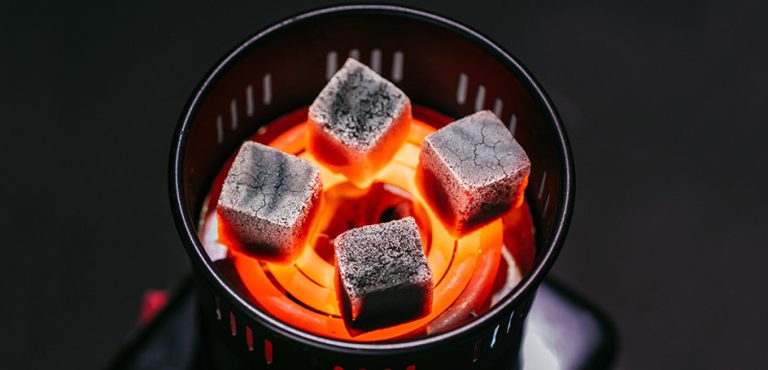
Charcoal briquettes provide uniform size and predictable combustion cycles. Their consistent structure supports steady temperature control. Briquettes are suitable for beginners and professional pitmasters. Lump charcoal consists of irregular hardwood pieces without binders. It ignites quickly and produces strong initial heat.
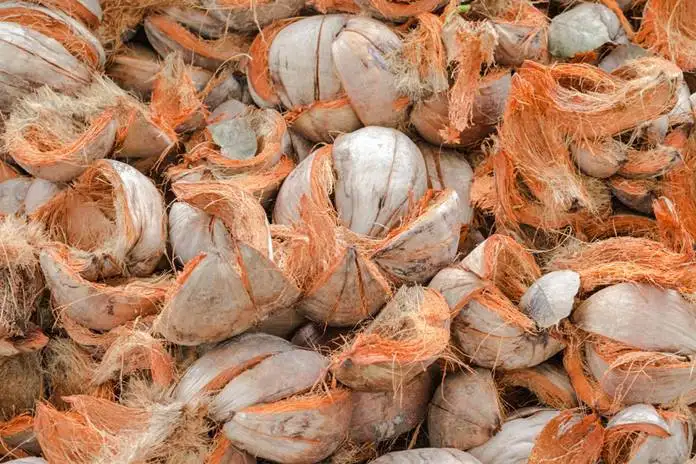
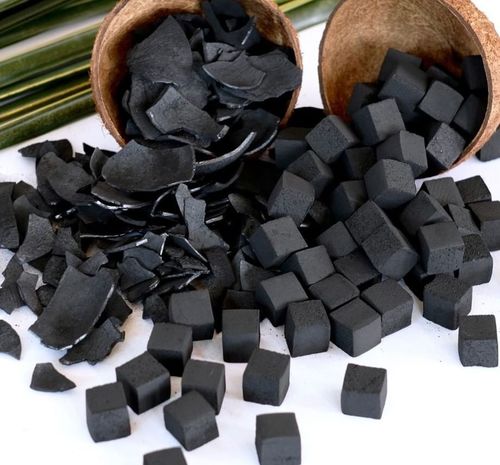
However lump charcoal may burn unevenly during long sessions. Coconut shell briquettes contain high fixed carbon content. They produce minimal ash and cleaner combustion inside smokers.
Step by Step How to Smoke with Charcoal
First arrange charcoal for indirect cooking inside the smoker. Leave sufficient space for proper airflow circulation.
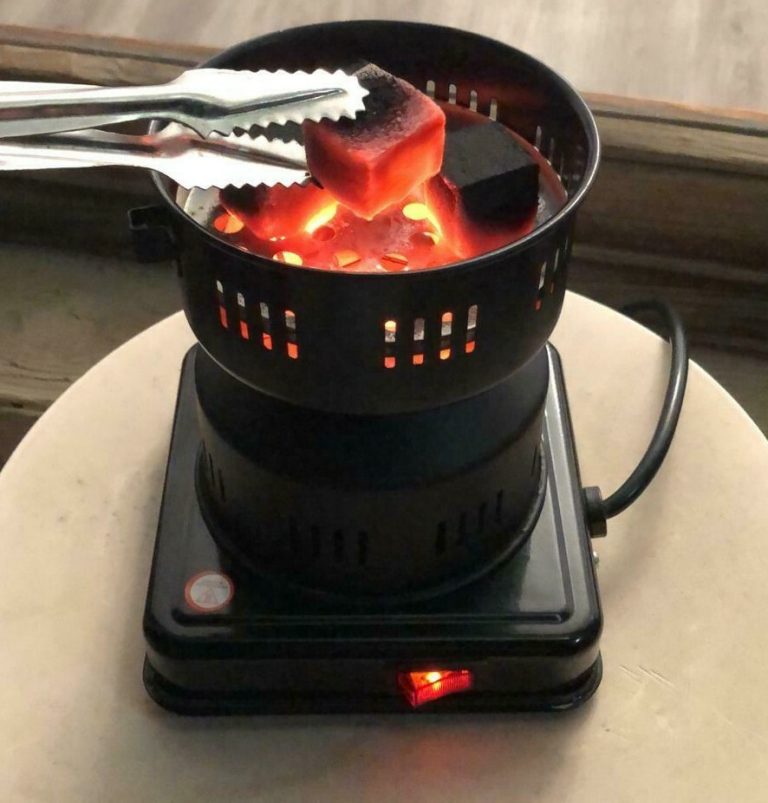
Second light the charcoal using a chimney starter. Avoid chemical lighter fluids that may affect flavor. Third adjust bottom and top vents gradually. Monitor internal temperature using a reliable thermometer. Add small amounts of charcoal when necessary. Keep the lid closed to preserve consistent heat levels.
Export Perspective Why Charcoal Quality Matters
International buyers prioritize stable combustion for long cooking sessions. Uniform briquette sizing improves pallet efficiency and packaging consistency. Moisture control protects charcoal during container transportation. Durable packaging reduces product damage in transit. Quality certifications enhance credibility in competitive markets.
Private label manufacturing offers branding opportunities for distributors. Reliable production capacity supports recurring export demand.
Common Mistakes When Smoking with Charcoal
Using excessive fuel initially may cause overheating. Ignoring airflow adjustments leads to unstable temperature fluctuations. Selecting low density charcoal reduces burn duration efficiency. Frequently opening the lid causes unnecessary heat loss. Many beginners overlook what charcoal to use for smoking. Poor fuel selection directly impacts smoke consistency and flavor quality.
Business Opportunity in Smoking Charcoal Market
Global barbecue culture continues expanding across multiple regions. Smoked meat demand grows within retail and horeca sectors. Premium briquettes offer attractive margins for international importers. Long term supply contracts create stable export growth. Strategic sourcing partnerships strengthen competitiveness worldwide.