

How to process coconut waste into briquettes is an important topic for communities looking to reduce environmental impact and increase the value of agricultural by-products. However, by transforming this waste into coconut shell charcoal briquette, it is possible to create a sustainable, low-cost, and high-energy fuel source that supports both local economies and eco-friendly practices.
Coconut shell charcoal briquettes are an excellent alternative to traditional firewood and coal. They burn longer, produce less smoke, and emit lower levels of carbon. The process of making briquettes from coconut waste involves several stages, including drying, carbonization, grinding, mixing with a binder, molding, drying, and packaging. Each of these steps plays a crucial role in ensuring the quality and durability of the final product.
How to Process Coconut Waste Into Briquettes
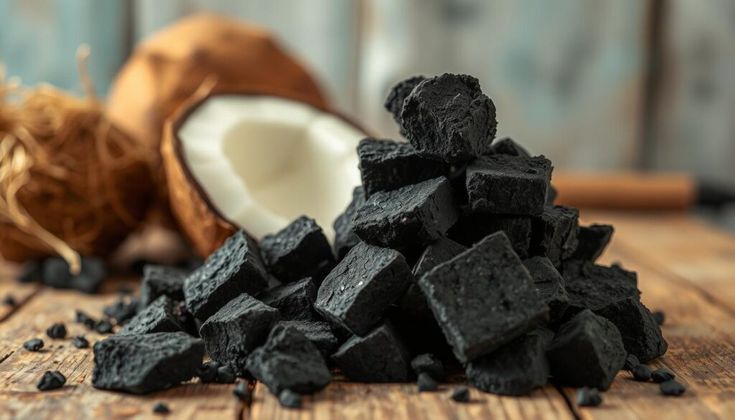
The Steps to Make Coconut Waste Into Briquettes
1. Drying the Raw Material
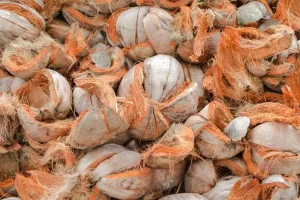
Begin by thoroughly drying the coconut shells or husks. Minimizing moisture content in the raw material is essential. High moisture content reduces the effectiveness of carbonization and leads to lower-quality briquettes. Sun-drying is the most economical method, though mechanical dryers can be used in areas with high humidity or limited sunlight.
2. Carbonization
Next, carbonize the dried coconut waste by burning it in a low-oxygen environment. This is usually done in a drum kiln or brick furnace. The goal is not to burn the shells completely, but to convert them into charcoal through pyrolysis. This process usually takes between 6 to 24 hours, depending on the method and volume of material. The charcoal produced should be lightweight, black, and brittle.
3. Grinding the Charcoal
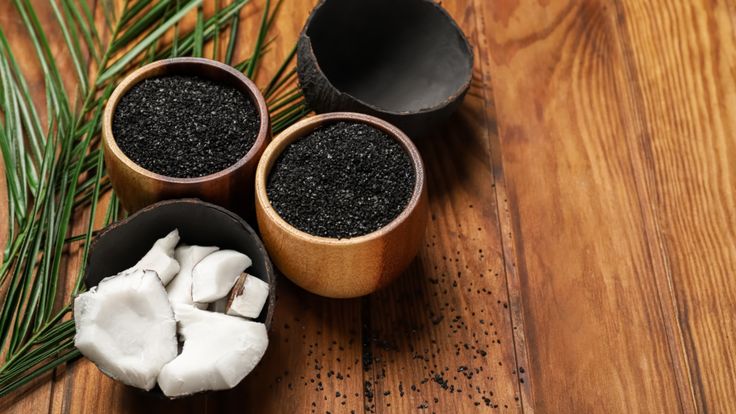
Once cooled, pulverize the charcoal into a fine powder. Use a disc mill or similar grinding equipment to achieve uniform particle size. If the particles are too large, the briquettes may not hold their shape well or burn efficiently. Fine charcoal powder allows better binding and results in stronger, smoother briquettes.
4. Mixing with Binder
After grinding, mix the charcoal powder with a natural binder. Starch-based binders, such as tapioca flour, corn starch, and sago, are frequently used. First, cook the binder in water until it forms a thick paste. Next, combine it with the charcoal powder until the mixture is uniformly coated and has a sticky texture. The ideal mixture should be moldable but not too wet.
5. Molding the Briquettes
Shape the mixture using manual molds or a mechanical briquette press. The shape and size of the briquettes can vary depending on their intended use. Cylindrical and pillow-shaped briquettes are commonly used for household cooking, while hexagonal briquettes with a central hole are preferred for industrial use due to better airflow and burning efficiency.
6. Drying the Briquettes
After molding, dry the briquettes thoroughly. Sun drying is the most cost-effective method and usually takes 2–3 days under good weather conditions. Alternatively, you can use a drying oven or solar dryer to speed up the process. Proper drying is essential to reduce moisture content, prevent mold, and ensure a longer shelf life.
Packaging and Storage
Once the briquettes are dry and firm, package them in plastic bags, boxes, or sacks. Keep them in a cool, dry environment, away from moisture, to preserve their quality. Proper packaging not only protects the briquettes but also makes them more appealing for commercial sale.