


In the face of rising global energy demands, briquette fuel from coconut husk offers a sustainable alternative. It uses coconut husk, a by-product often discarded, as the main raw material. This fuel turns waste into a clean-burning energy source. The process also helps reduce dependence on fossil fuels.
Origin and Production Process
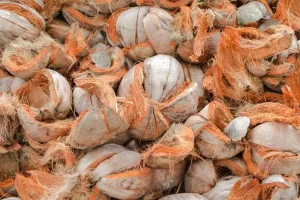
Coconut husk is found between the shell and the outer coat of the fruit. It contains coarse fibers and coco peat. These are often used for rope, mats, or horticulture. With the right process, they can be made into briquette fuel.
-
Collection and Drying
Freshly removed husks are gathered and dried naturally under the sun or in mechanical dryers to reduce moisture content. This step is crucial for achieving high combustion efficiency. -
Grinding
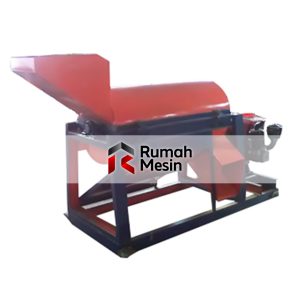
Once dry, the husks are ground into fine powder using crushers or hammer mills. -
Mixing and Briquetting
The powdered husk is combined with a natural binder, such as tapioca starch, to help it stick together. It is then shaped into briquettes using a pressing machine. -
Final Drying
The formed briquettes are dried again until their moisture content is typically below 10%, ensuring long shelf life and optimal burning properties.
Advantages of Coconut Husk Briquette Fuel
There are several compelling reasons why coconut husk briquette fuel is gaining popularity:
-
Environmentally Friendly
Made from organic waste, it helps reduce landfill accumulation and minimizes carbon emissions compared to traditional charcoal or coal. -
High Calorific Value
With a heat output of approximately 4,500–5,000 kcal/kg, these briquettes provide steady and consistent heat over long periods. -
Low Smoke and Odor
When manufactured properly, they produce minimal smoke and a neutral smell, making them suitable for both indoor and outdoor use. -
Economic Benefits
The abundance of coconuts in tropical countries ensures a steady raw material supply, keeping production costs relatively low and creating income opportunities for local communities.
Applications and Market Opportunities
Coconut husk briquettes can be used in:
-
Household Cooking: A cleaner, longer-lasting substitute for wood charcoal.
-
Food Industry: Popular in restaurants, cafés, and catering businesses for grilling, smoking, and baking.
-
Heating Systems: Used in stoves or boilers in colder regions.
-
Export Market: Countries in Europe, the Middle East, and East Asia have shown growing demand for eco-friendly fuels, presenting a lucrative export opportunity.
With global policies shifting toward renewable energy, the potential market for coconut husk briquettes is vast and expanding.
Challenges and Path Forward
Some challenges include:
-
Maintaining Consistent Quality: Export clients demand uniform shape, low moisture, and specific energy output.
-
Technology Gaps: Small-scale producers often need better equipment and training.
-
Supply Chain Management: Ensuring a steady supply of husks year-round is essential.
Solutions include better processing technology, training, and stronger cooperation between farmers, producers, and government.
Conclusion
Coconut husk briquette fuel is not only an environmentally friendly energy option but also a promising business opportunity. By turning agricultural waste into high-value fuel, it supports sustainable development, reduces environmental impact, and boosts local economies. With the right technology, quality control, and marketing strategies, this renewable energy source can play a vital role in shaping a greener and more sustainable future.